Big Brother

2000 4.4 20 Seasons IMDb Ended English John de Mol
Channel 4

Overview

A British reality television game show in which a number of contestants live in an isolated house for several weeks, trying to avoid being evicted by the public with the aim of winning a large cash prize at the end of the run.

Reality

Seasons

Series 1

Series 1

5.2
53 Episodes

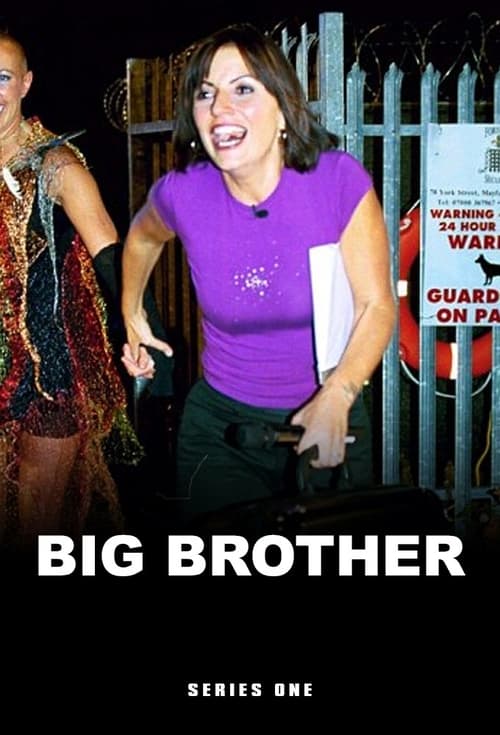
Big Brother 2000, also known as Big Brother 1, was the first series of the British reality television series Big Brother. It is based upon the Dutch series of the same name, which gained notoriety in 1999 and 2000. The series debuted on Channel 4 on 18 July 2000, running for nine weeks until 15 September 2000. Early in its run, the series was met with controversy for numerous reasons, including its use of professional psychiatrists who analyzed the personalities and actions of the contestants. Despite the large amount of controversy, the series was a major success. Forty thousand people applied to participate in the first series. The first week of the series had over 400,000 voters call in to choose to evict someone, while the final week had 7.8 million voters. The series averaged 4.5 million viewers, with a series high of 10 million viewers on the final night. This series featured a total of eleven housemates competing to win the grand prize. The show lasted for a total of 64 days, culminating in housemate Craig Phillips winning the grand prize, and Anna Nolan coming in second place. The series revolves around ten strangers living in a house together with no communication with the outside world. They are filmed constantly during their time in the House, and can have no communication with those filming them. Each week, each contestant, referred to as "housemates", chooses two people to be up for eviction. The two or more people with the most votes will be nominated to leave the House. The viewers then decide which of the nominees should leave, with the selected person leaving during a live show. This process continued until only three housemates remained, in which the viewers would decide which of the housemates would win the £70,000 grand prize. A housemate can be ejected from the show for breaking rules, such as discussing nominations when not permitted. If a housemate were to be ejected from the game - as in the fifth week - then a replacement housemate would enter the House in a matter of days.

Series 2

Series 2

8.0
66 Episodes

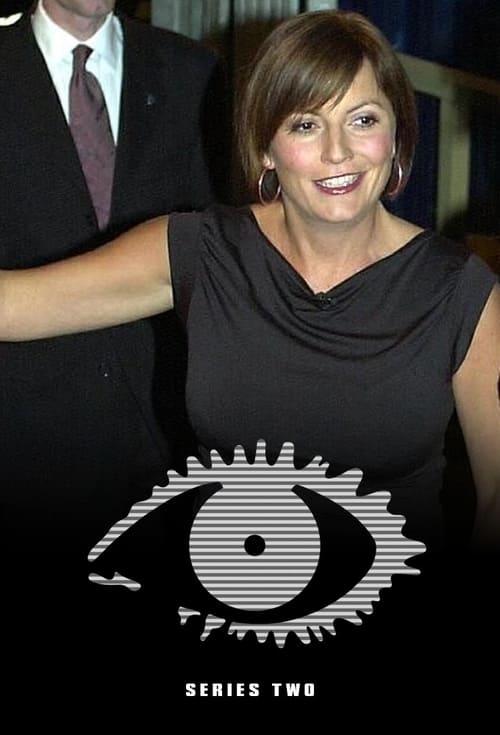
Big Brother 2001, also known as Big Brother 2, was the second series of the British reality television series Big Brother. It is based upon the Netherlands series of the same name, which gained notoriety in 1999 and 2000. The series premiered on Channel 4 on 25 May 2001 and lasted nine weeks until the live finale on 27 July 2001. The second series continued the success of the original, being a ratings success for the company. There was a total of 7.3 million votes in the final week. In terms of ratings, it matched the success of the first with a series average of 4.6 million viewers. The premise of the series remained largely unchanged from the previous installment in the series. The series revolves around ten strangers living in a house together with no communication with the outside world. They are filmed constantly during their time in the house, and can have no communication with those filming them. Each week, each contestant, referred to as "housemates", choose two people to be up for nomination. The two or more people with the most votes will be nominated to leave the house. The viewers then decide which of the nominees should leave, with the selected person leaving during a live show. This process continued until only three housemates remained, in which the viewers would decide which of the housemates would win the £70,000 grand prize. A housemate can be ejected from the show for breaking rules, such as discussing nominations when not permitted. Later in the season, an intruder entered the game, the first in Big Brother history, bringing the total number of housemates to 11. The series ended after 64 days, in which housemate Brian Dowling was crowned the Winner, and Helen Adams the Runner-Up.

Series 3

Series 3

9.0
75 Episodes

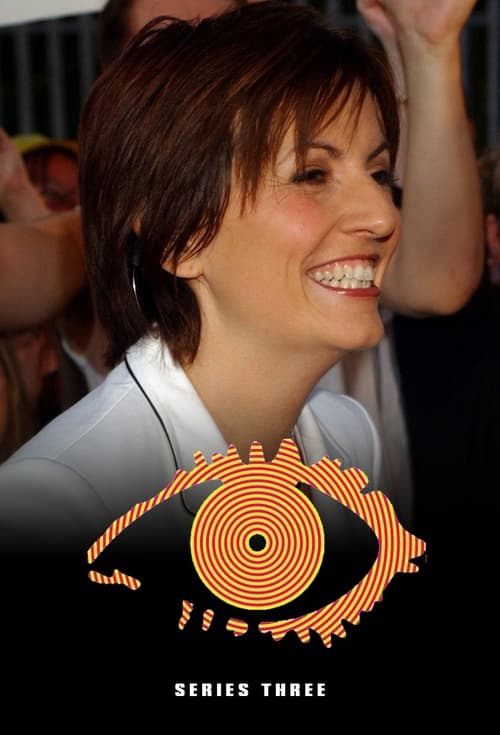
Big Brother 2002, also known as Big Brother 3, was the third series of the British reality television series Big Brother. It is based upon the Netherlands series of the same name, which gained notoriety in 1999 and 2000. The series premiered on Channel 4 on 24 May 2002 and lasted nine weeks until the live finale on 26 July 2002. The third edition saw a ratings increase for the series. The finale had a total of 10 million viewers which is not only the most watched episode of Big Brother to date but, based on Live +7 data supplied by BARB, is Channel 4's most watched broadcast since the channel's inception in 1982. In total, over 8.6 million votes were cast to determine the winner of the series. In terms of average viewers, Big Brother 3 is the highest rated series of the show to date, averaging 5.9 million viewers throughout the whole season. It is one of only two seasons of the main series to have over five million average viewers. More than 150,000 viewers applied to be on this season, more than double the amount of applicants from the previous edition. Davina McCall returned as host. This series saw a number of changes and a number of firsts which would continue in future series: it was the first series to be filmed at Elstree Studios, where it still operates as of 2013, interviews with the housemates took place inside the George Lucas Stage and remained here until Ultimate Big Brother in 2010. It was the first and only series to issue a 'three strikes and you're out' form of disciplinary, all succeeding series have simply issued formal warnings to a housemate who breaks the rules. Big Brother 3 also started the eviction process not being limited to housemate nominations, in Week 1, the public made the nominations and the housemates made the final decision on who would go, in Week 7, two housemates faced eviction simply for being given video messages from home, future series also began experimenting with the eviction process. The first eviction took place a week earlier than the previous two series', rather than wait two weeks to evict a housemate, the first eviction took place just one week after the housemates entered, evictions in the first week have since become common in subsequent seasons. It was the first non-celebrity series to feature a Live Launch Show - although the previous celebrity series featured one. Previously, 10 housemates would enter the house on Day 1, usually with one other housemate arriving later on in the series, Big Brother 3, saw the arrival of 12 housemates on launch night, two housemates left the house voluntarily - this was the first time this happened, but quitting has become more common over the years - both were replaced by standby contestants, making it the first time to feature more than one non-original housemate, again late entry housemates have become more common in subsequent series. Big Brother 3 saw the house divided into 'Rich/Poor' for four weeks, a live task broadcast on Saturday nights would determine which side the housemates would end up living for the week. The Rich/Poor divide was not used again until the ninth series in 2008, where it was renamed Heaven/Hell.

Series 7

Series 7

10.0
108 Episodes

Big Brother 2006, also known as Big Brother 7, was the seventh series of the British reality television series Big Brother. It aired on Channel 4 from 18 May 2006 to 18 August 2006, hosted by Davina McCall. The series lasted for 93 days; fifteen days longer than the previous series. At the time it was the longest running series and the next three series would also run for 13 weeks. It was the first series to be broadcast in 16:9. This was the first series to feature more than 20 housemates. Prior to the launch of the series, a Golden Ticket competition was promoted to find a housemate who would enter in Week 3. Adjacent to the house was the House Next Door, which was used three times throughout the series. The major controversy of this series was the return of four ex-housemates in the penultimate week, with one of them being eligible to remain in the house for the final week. Although this had been practiced in Big Brother 4 in 2003, the main controversy was that the returning housemate was eligible to win, despite being evicted via public vote. Nominations remained a fundamental part of the process, however Big Brother often changed or cancelled nominations some weeks in favour of twists. Double evictions - which had only ever been used on Big Brother 4 and celebrity series' - returned this year and have since become a permanent fixture in all subsequent series - usually near the end of each series. This series proved to be popular, having a series average of 4.7 million viewers. In 2010, Big Brother 7 was voted the public's favourite series of Big Brother, as revealed during Big Brother's Big Awards Show.

Series 10

Series 10

8.0
110 Episodes

Big Brother 2009, also known as Big Brother 10, was the tenth series of the British reality television series Big Brother. It began on 4 June 2009 and was aired on Channel 4 and E4 for 93 days, concluding on 4 September 2009 when Sophie "Dogface" Reade was crowned the winner with 74.4% of the viewer's vote. The format of the programme remained largely unchanged from previous series; a group of people, referred to as housemates, are enclosed in the Big Brother House under the surveillance of cameras and microphones. Each week, the viewers decide which of a selection of housemates is evicted and, in the final week, one housemate is voted as the winner. The daily highlights programme was narrated by Marcus Bentley, Davina McCall fronted the launch programme, evictions, special episodes, the final and Big Brother's Big Mouth and George Lamb presented Big Brother's Little Brother. The programme included 22 participants, four of whom left the programme voluntarily whilst the fate of the others was decided by the public vote. The housemates were originally competing to win a £100,000 prize but, due to rule-breaking by the participants, this was reduced to £71,320. The series, which was sponsored by Lucozade, achieved significantly less media coverage and viewing figures, resulting in it becoming the least-watched series in Big Brother UK history until Big Brother 12 in 2011. This series also attracted controversy, with accusations of bullying between contestants drawing complaints and criticisms levelled at the welfare of housemates after they left the programme.

Series 12

Series 12

6.0
71 Episodes

Big Brother 2011, also known as Big Brother 12, was the twelfth series of the British reality television series Big Brother and the first not to be broadcast on Channel 4. It was broadcast on Channel 5 for the first time since the show's transfer from Channel 4. It launched on 9 September 2011 with an hour and a half-long special launch show, the day after the final of Celebrity Big Brother 8. It was hosted by Brian Dowling, the winner of Big Brother 2 and Ultimate Big Brother. The series ran for 64 days, ending on 11 November 2011 when the winner, Aaron Allard-Morgan, won half of the £100,000 prize fund, with the remainder split between the five finalists. The runner up was Jay McKray. The series differed from the Channel 4 version in having the celebrity edition before the main series, with the latter running in the autumn rather than the traditional summer-long run. The series reverted to its traditional pattern a year later when Big Brother 13 aired in the summer of 2012. There were 14 original housemates, seven men and seven women all aged between 18 and 30. The series featured a high content of bedtime romances and included much male nudity during pranks and shower scenes during its nine weeks on air. Instances of lewd talk, intimate body shaving, and other salacious behaviour were also prominent in the post-watershed evening highlights programmes. Much of the series concentrated on the romantic relationships that developed between the housemates during their time in the house.

Series 13

Series 13

7.0
74 Episodes

Big Brother 2012, also known as Big Brother 13, was the thirteenth series of the British reality television series Big Brother, and the second series to broadcast on Channel 5. The series premiered with a live launch on 5 June 2012 and ran for 70 days, concluding on 13 August 2012. The series was originally planned to run for thirteen weeks, but was cut back to ten weeks in order to accommodate Celebrity Big Brother 10. The series was won by Luke Anderson, who won half of the £100,000 prize fund, with the remainder taken by Conor McIntyre as part of the White Room twist. Anderson is the second transsexual contestant to win the show, the first being Nadia Almada who won the show back in 2004. The runner-up was Adam Kelly. The series was announced in April 2011 when Channel 5 signed a two-year contract to air the show. With Big Brother 12 having been broadcast in autumn 2011, this is the first series to air in the show's regular summer period on Channel 5 since it acquired the show from Channel 4 in 2011. There were 16 original housemates, eight men and eight women, who all entered the house on Day 1. Shortly after the first eviction of the series, Becky Hannon, one of three wildcard housemates, was chosen by the public to enter the house on Day 4. For the first time since Big Brother 5, no housemate left the House voluntarily. The only housemate not to be evicted by a public vote was Conor, who left with half of the £100,000 prize fund as part of the White Room twist.

Comments 0

Please log in to leave a comment.

No comments yet. Be the first to share your thoughts!